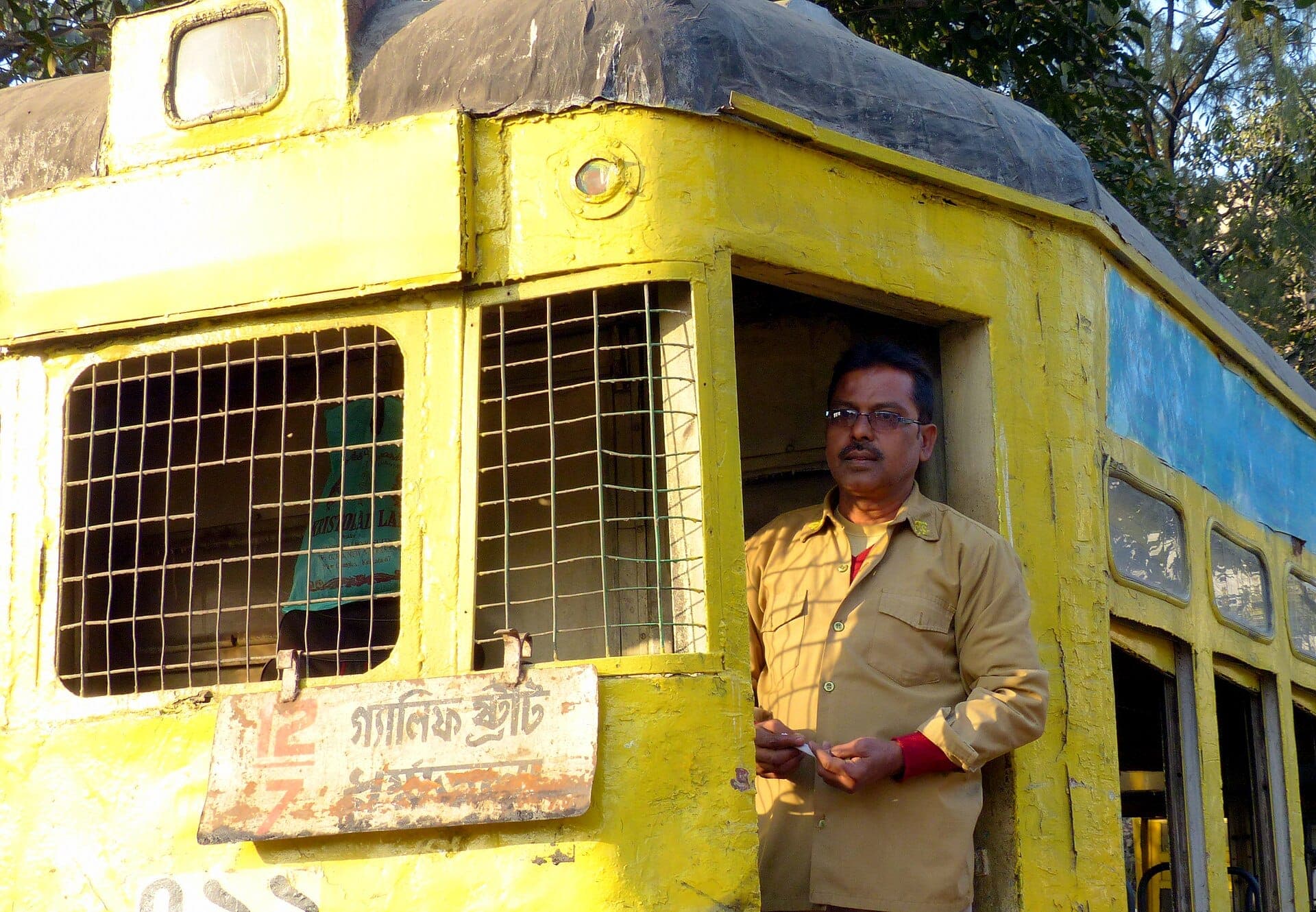
You sign on at the depot at five. The car has been standing all night and the first thing is the compressor, which takes about four minutes to build enough air for the brakes, and which you listen to rather than watch, because you can hear when it is unhappy.
Then the pole goes up onto the wire, and you check it seats properly, because a pole that comes off at a junction is twenty minutes of your morning and a queue of traffic behind you.
What driving one is like
There is a controller, which is a handle with notches, and a brake. That is essentially it. There is no steering, which sounds easy and is the opposite: you cannot avoid anything. Everything you do, you do with speed, and you do it early.
Fifteen kilometres an hour on a dedicated median. Cars cut across the track at every gap. In the rain the rail is slick and the stopping distance doubles, and the median floods before the road does because it is lower.
“A bus driver can swerve. I can only be slower, earlier.”
The passengers
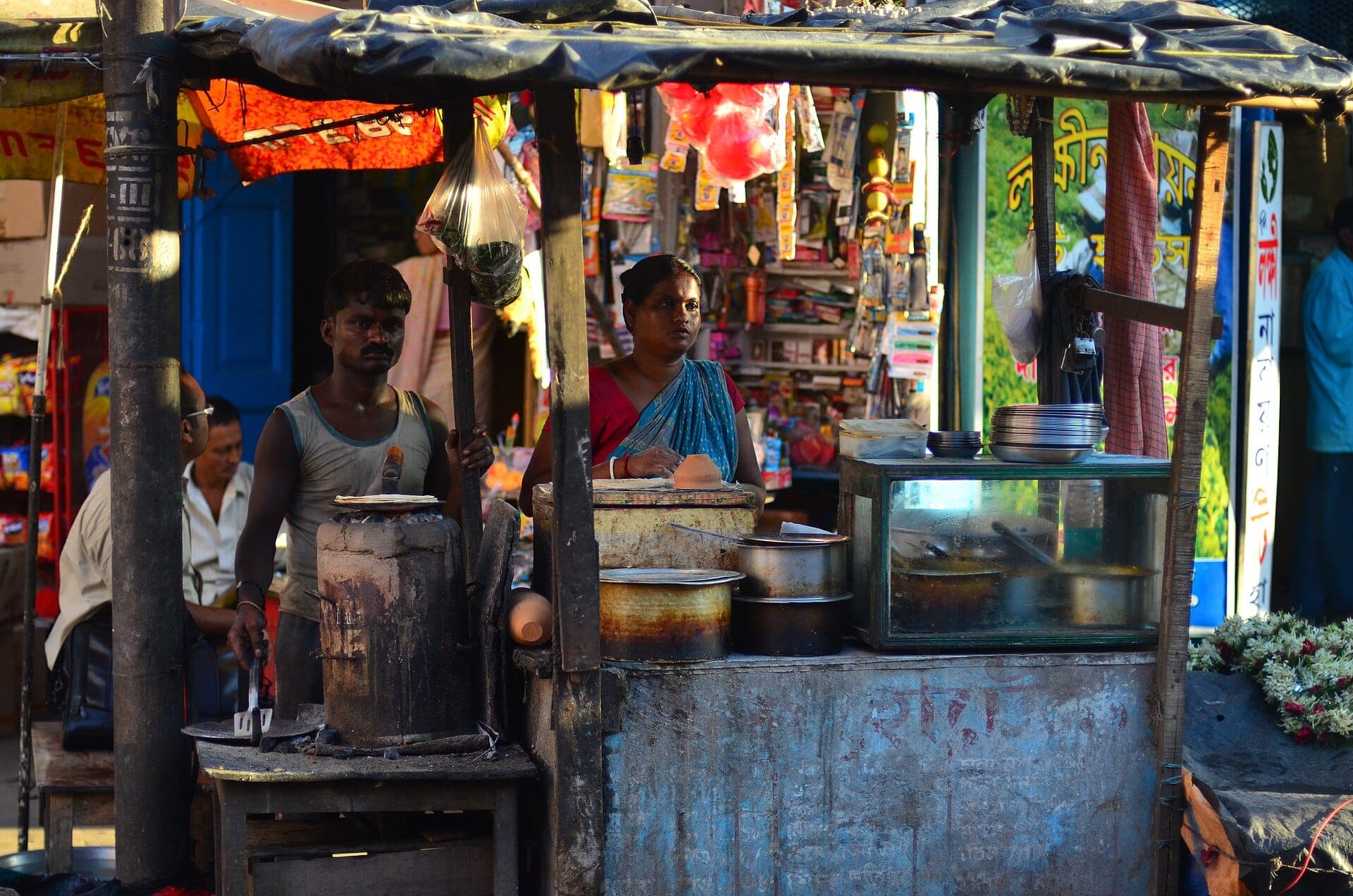
Schoolchildren in the afternoon, in the same seats. Office workers in the morning who read the whole way and look up at exactly the right stop without checking. Old men who get on at one end and off at the other and are clearly not going anywhere.
The conductor knew everybody. That is not nostalgia; it is a function of a vehicle that runs the same fixed route at the same slow speed for thirty years.
Signing off
Most of the routes went quietly. A road-widening scheme suspends the service, the tracks get tarred over during the works, and the suspension is never lifted. Nobody announces anything. The route simply stops appearing on the board.
The depot has more drivers than cars. Some have been redeployed to buses, some to the depot itself, and some are still signing on, at five, for a service that runs one route.
Melbourne kept its trams. So did Lisbon, Prague, Amsterdam and San Francisco. All of them were told at some point that trams were obsolete.