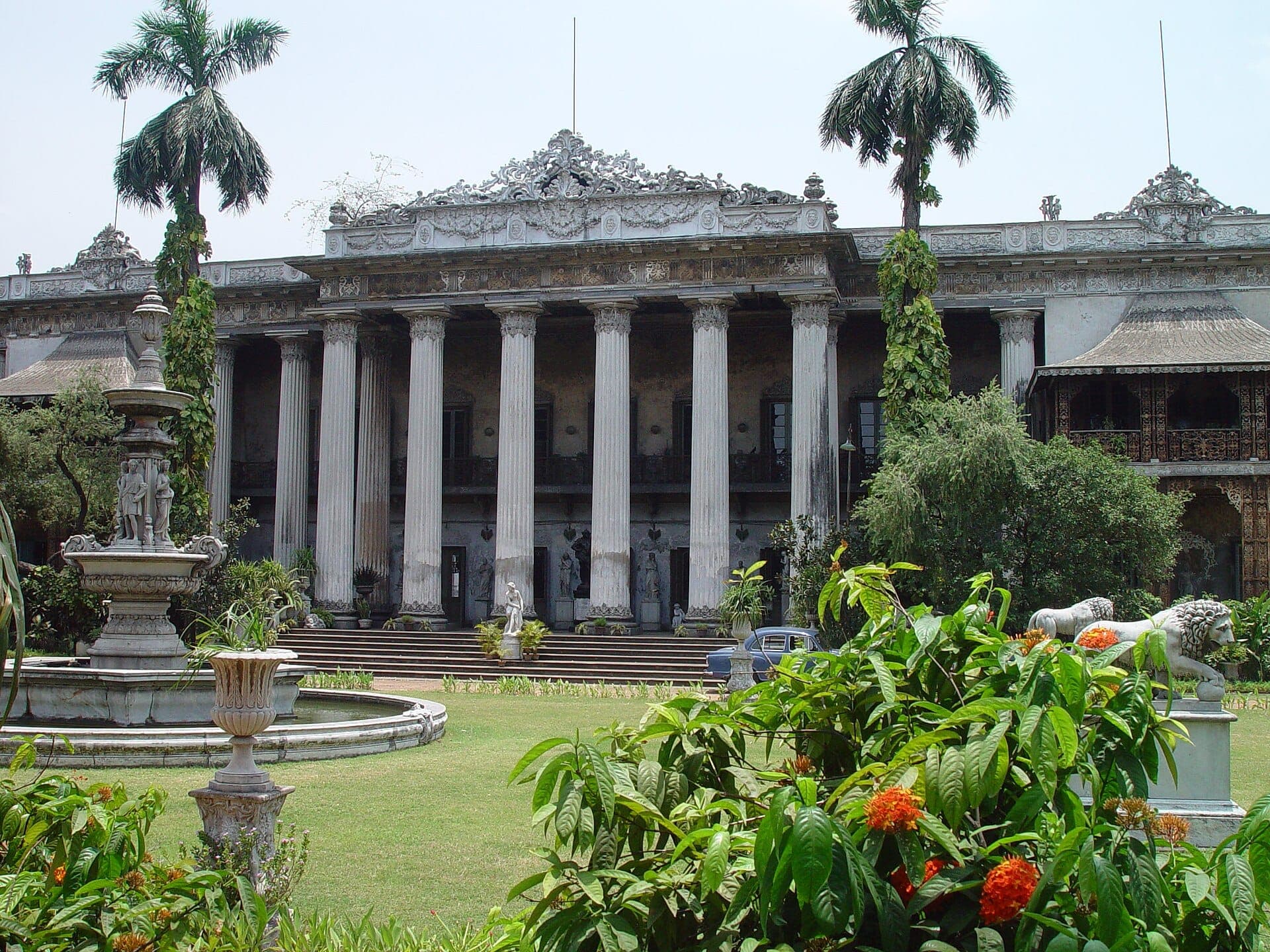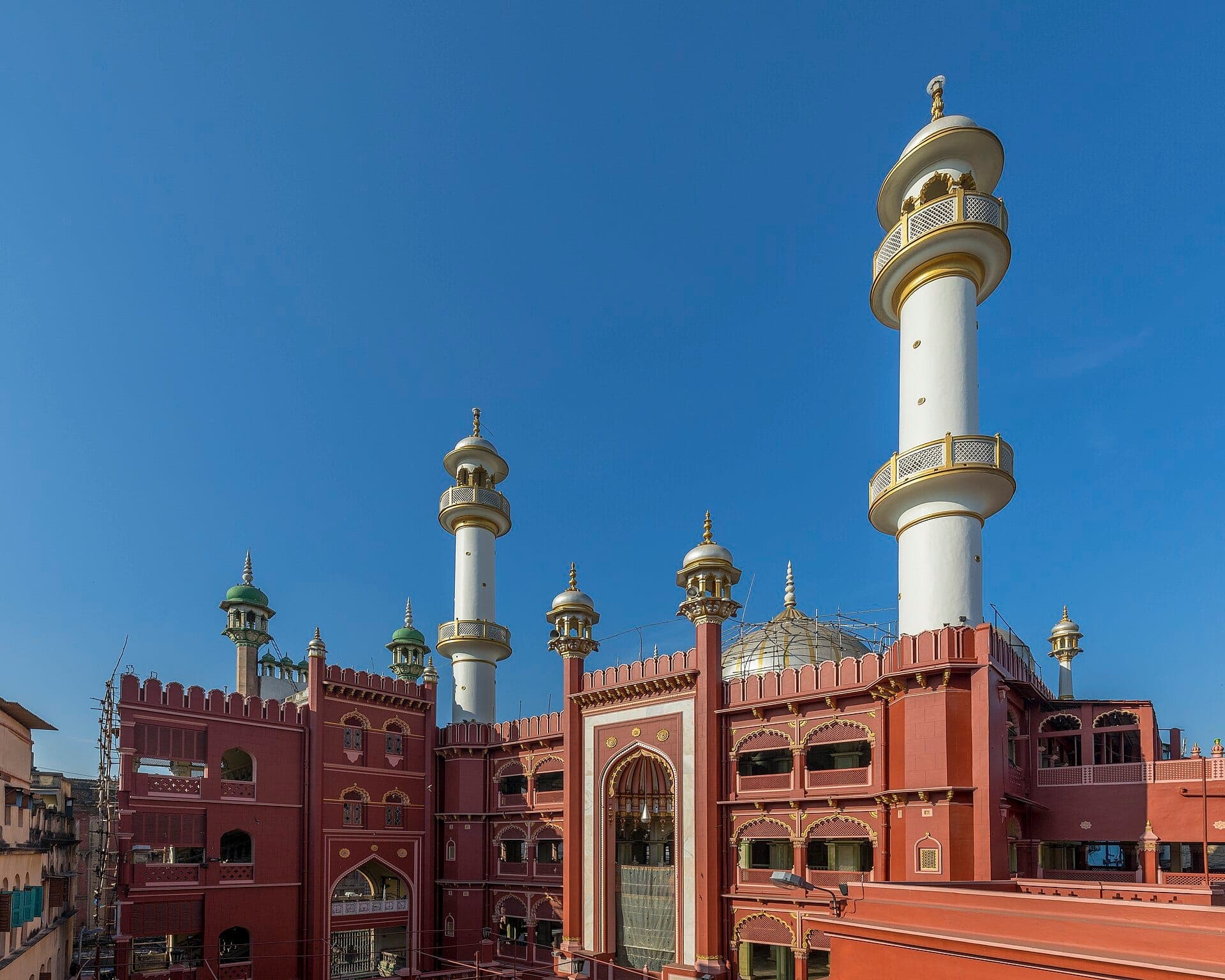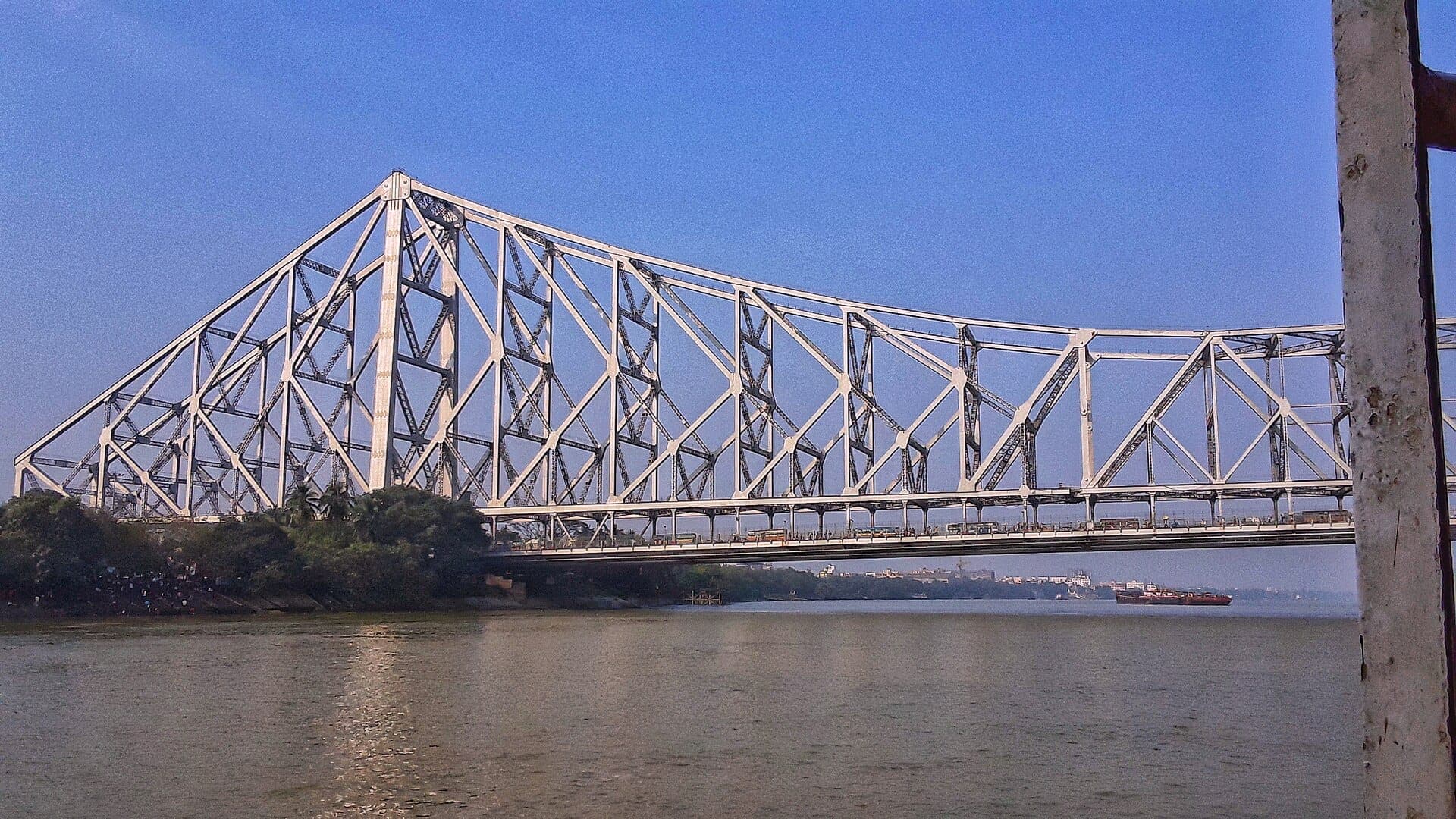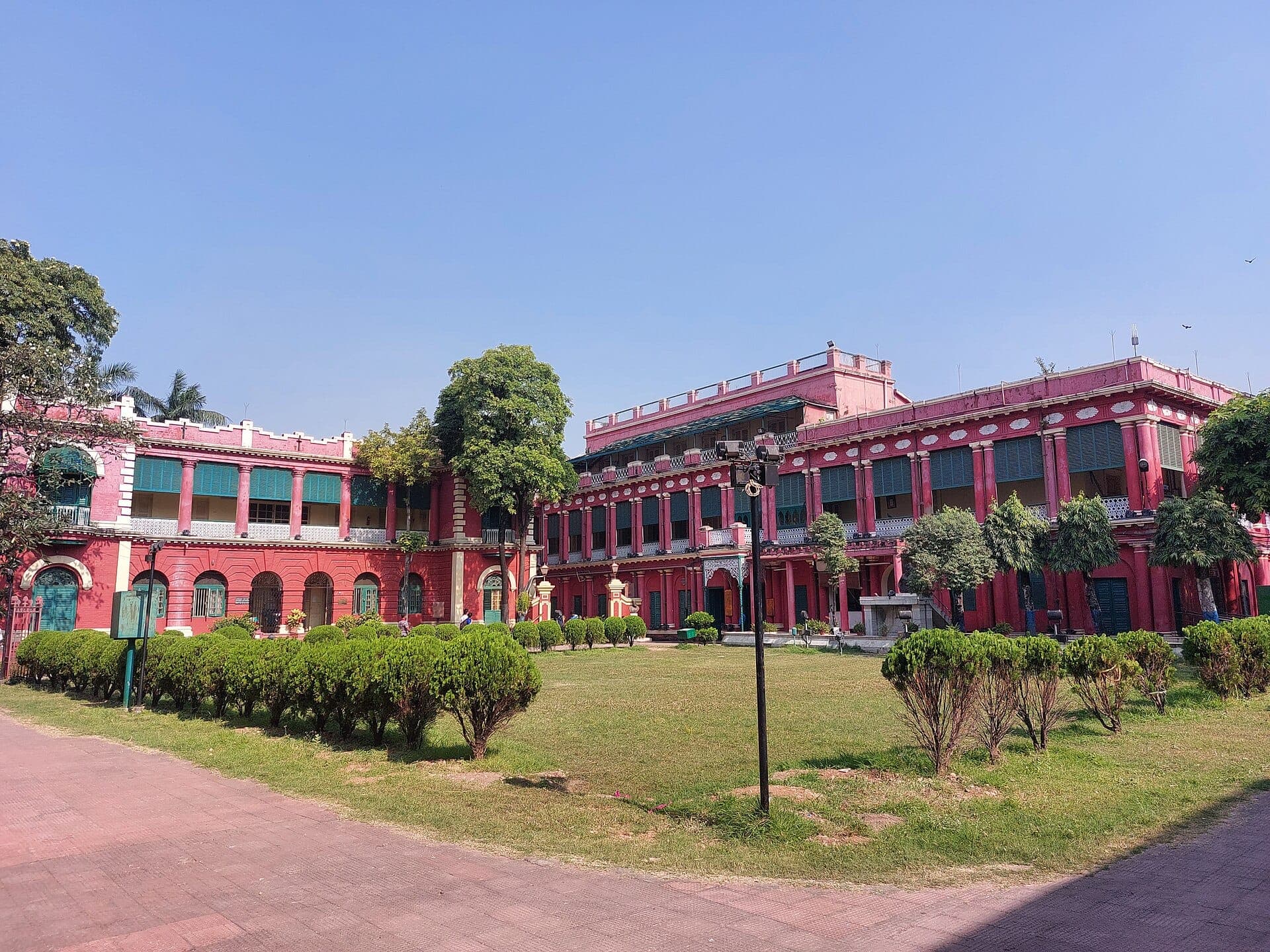
The Tagores took the house in the late eighteenth century. Prince Dwarkanath made the fortune; his son Debendranath turned the household into the centre of the Brahmo reform movement; and their descendants ran magazines, a theatre, a press and a painting school out of the same courtyard.
Rabindranath was born here in May 1861, the fourteenth child. He was educated largely inside the house, wrote Gitanjali here, composed a substantial share of his two thousand songs here, and died here in August 1941, in the room he was born in.
Abanindranath and Gaganendranath Tagore founded the Bengal School of Art in these rooms, reorienting Indian painting away from Victorian academic realism and towards a deliberately Asian idiom. Jyotirindranath ran the theatre. Swarnakumari Devi was among the first women novelists in Bengali.
It is now Rabindra Bharati University and a museum. Rooms are preserved as they were, including the bed, the palanquin, and the manuscripts whose crossings-out he later turned into drawings.
There are galleries on his Japanese, Hungarian and Chinese connections that almost nobody visits, and they are the most interesting part.
What the guidebook leaves out
The Hungarian gallery, on Tagore's friendship with the Balatonfüred sanatorium that treated him in 1926. There is a Tagore promenade in Hungary because of it.